Finding My Own Definition of Relaxation: A Journey Beyond Alcohol and Societal Norms
Nov 02, 2025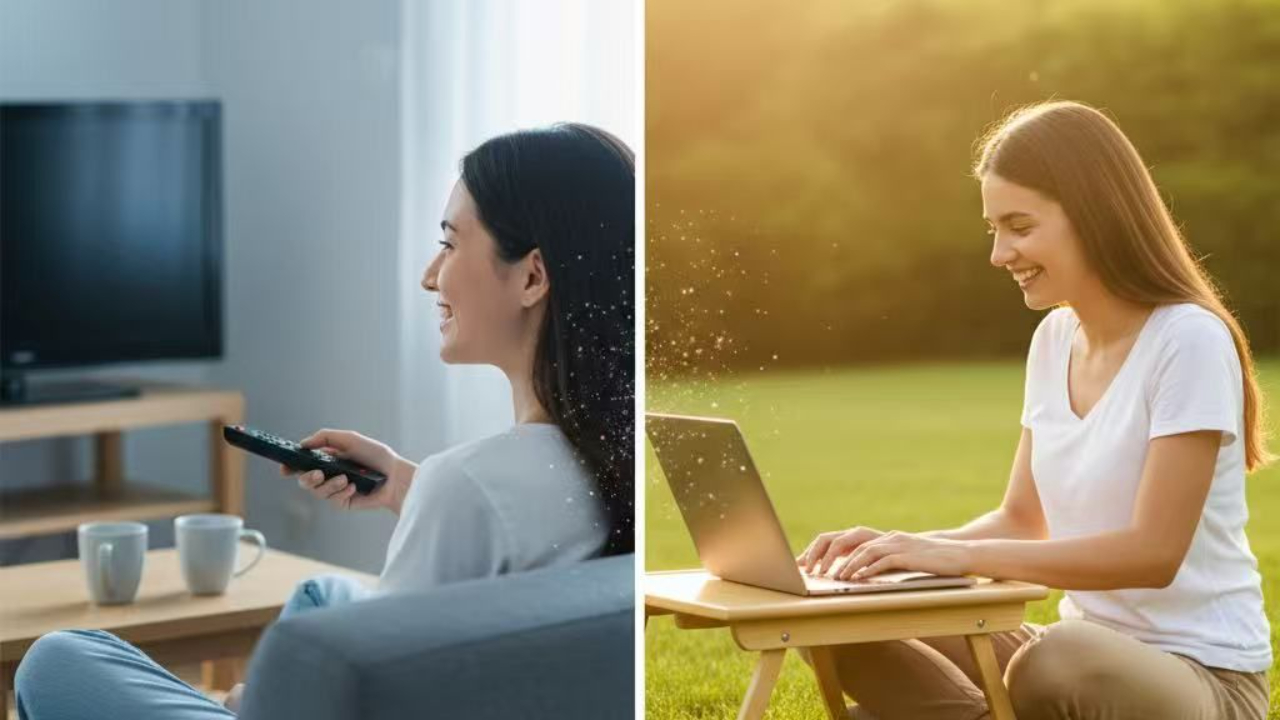
So here's a story about how eye surgery taught me I've been relaxing wrong my whole life.
I decided to get cataract surgery a few months ago (that's a whole other story). The catch? No alcohol for two months while my eyes healed. Now, I'm not a heavy, heavy drinker, but I have always liked a drink after a stressful day at work or on the weekend with friends. That was my signal to relax. Suddenly, I had to figure out how to unwind without it.
Fast forward to after my recovery. I'd been working on my health more since another birthday was coming up—you know how birthdays make you think. One thing that caught my attention was my low heart rate variability (HRV). Turns out alcohol makes it worse. So I thought, why not just keep going without drinking?
That's when things got weird.
My weekends started feeling... stressful? Which made no sense. I was doing all these relaxing things—walking my dog, meditating, exercising. But I felt anxious, like I wasn't really relaxing.
Then this weekend, it hit me. I was talking with my coach and realized something wild: I was stressed because I wasn't doing what I thought relaxation was "supposed" to look like. You know—binge-watching Netflix, lying on the couch, doing absolutely nothing.
The truth? I actually love working on my business on weekends. At my own pace, no pressure. It energizes me. But I'd been feeling guilty about it because somewhere along the way, I learned that "real" relaxation meant turning your brain off.
Think about it. We grow up seeing relaxation portrayed one way—usually involving doing nothing or numbing out. After a while, you don't even question it. That's just what relaxing means, right?
Wrong.
Maybe your perfect weekend involves building something. Maybe it's reading complex books. Maybe it's organizing your closet or learning a new skill. Maybe it IS watching Netflix all day. The point is, we're all different, but we're measuring ourselves against the same made-up rules.
I never would've figured this out if I hadn't stopped drinking. Sometimes you have to remove one thing to see all the other assumptions hiding underneath.
So here's what I learned: Your relaxation doesn't have to look like anyone else's. The only thing that matters is how you actually feel, not how relaxed you're supposed to look.
Everything's okay when you do you.
And honestly? My weekends feel so much better now that I've given myself permission to relax my way.
Here's something to think about: What beliefs about relaxation (or anything else) are you carrying that might not actually be yours? When's the last time you questioned whether your "downtime" actually restores you, or if you're just doing what you think you should do?
Try this: Next weekend, pay attention to what activities actually make you feel restored versus what you think should make you feel restored. You might be surprised by what you discover.
I'd love to hear about it—what does real relaxation look like for you?
Author