Part 2: How to Heal from People Pleasing Without Losing Your Heart
Apr 12, 2026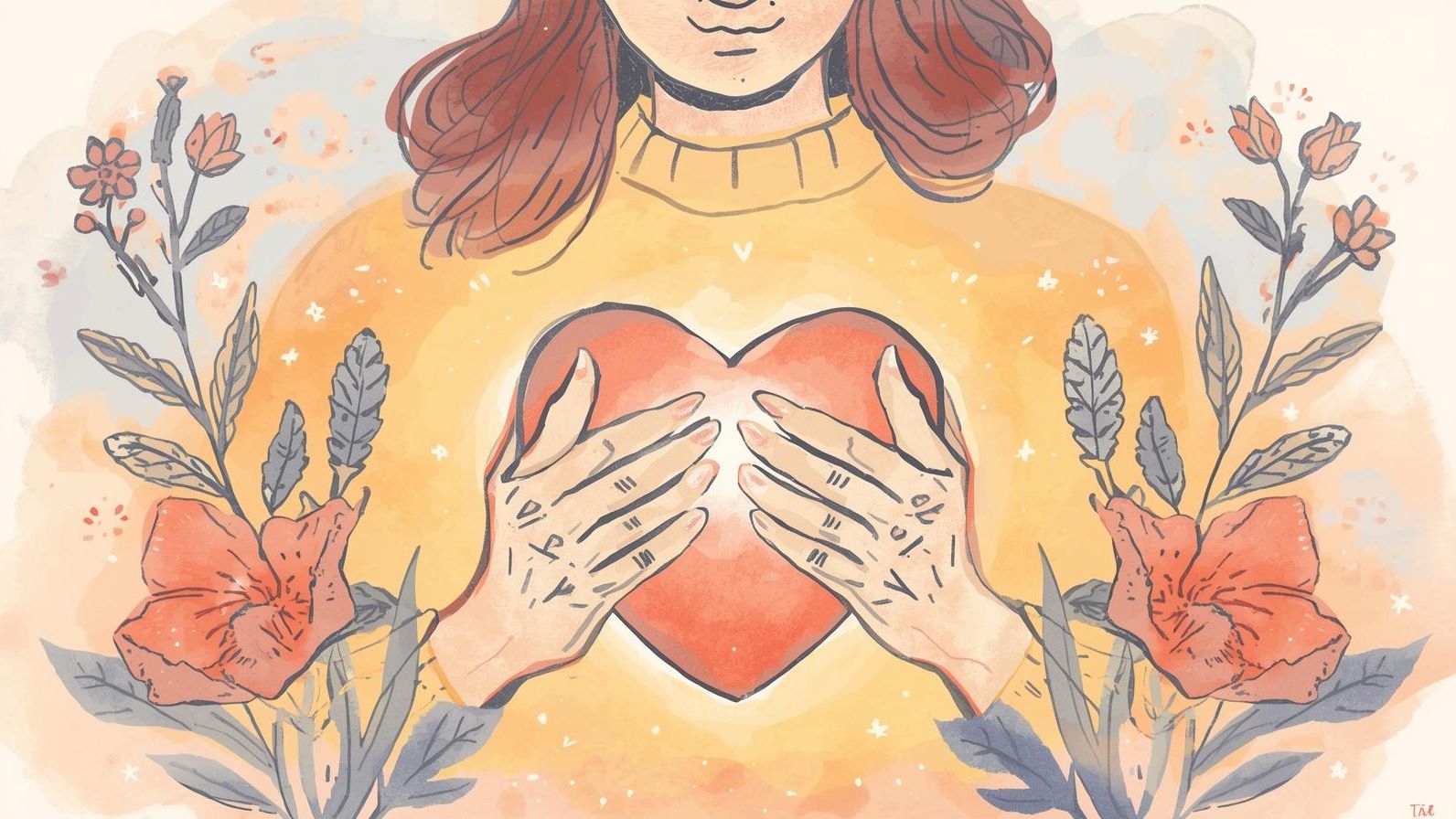
In Part 1 I shared how I reached a point of such deep exhaustion from people pleasing that I had to leave everything I knew just to hear my own voice again. Distance gave me clarity, but clarity alone did not heal me. What came next was the harder, quieter work of learning to live differently.
The fear of becoming someone cold
One of the biggest fears I carried was that if I stopped people pleasing, I would become selfish or unkind. I thought the only version of me people loved was the accommodating one. But true healing does not turn you into someone harsh. It helps you become honest. It teaches you that kindness without self-abandonment is possible.
You are not trying to stop caring about people. You are learning to care about yourself with the same tenderness you so freely offer others. That was the hardest shift for me. I could pour compassion into everyone else without a second thought, but directing that same gentleness inward felt foreign, almost indulgent. It was not. It was necessary.
Slowing the automatic yes
Healing begins with awareness. Notice where people pleasing shows up most — in your family, at work, in friendships, in romance. It may look like overexplaining, apologizing for having needs, saying yes too quickly, or feeling responsible for everyone else's comfort. You cannot change a pattern you only recognize after the damage is done.
The next step is to slow the automatic yes. Give yourself a pause before agreeing to requests or taking on emotional labor that does not belong to you. A gentle, "Let me think about that," can create enough space for your truth to rise.
That pause changed everything for me. I started practicing it while I was away, in low-stakes moments with people who had no history with the old version of me. And I realized something stunning. When I paused, when I did not rush to smooth things over or say yes out of reflex, the world did not collapse. People did not leave. The catastrophe I had been bracing for my entire life simply did not come.
This is what I now call the loving no — the practice of declining not from anger or walls, but from genuine self-respect. It is not a rejection of the other person. It is a return to yourself. I explore this idea fully in my book When the Burds Fly Free: A Guide to Compassionate Boundaries and Emotional Freedom, because I believe learning to say no with love instead of guilt is one of the most transformative skills a recovering people pleaser can develop.
Rebuilding self-trust after years of self-betrayal
At the heart of this journey is self-trust. When you have spent years overriding your own feelings and limits, you may not know what you want. You may only know what keeps everyone else comfortable.
I had to rebuild that trust from almost nothing. I barely trusted my own hunger cues because I had spent so long eating when it was convenient for others, sleeping when there was nothing left to give, and resting only when I had earned it through enough service.
Self-trust is rebuilt in small, steady moments. For me, it started with absurdly small things. Choosing a meal I actually wanted instead of whatever was easiest. Walking in a direction that interested me instead of following the group. Sitting in silence without filling it with usefulness. These sound like nothing, but for someone who had spent a lifetime outsourcing every decision to other people's comfort, they were acts of quiet rebellion.
This part can feel surprisingly emotional because grief often rises here. You may grieve the years you spent shrinking. You may grieve the relationships that benefited from your silence. You may grieve the version of you who believed love had to be earned through constant giving.
I grieved. Not dramatically, not all at once, but in waves that caught me off guard in foreign cities and quiet hotel rooms. I grieved for the girl who thought being needed was the same as being loved. I grieved for all the times I said I was fine when I was falling apart.
Let that grief move. It is not a setback. It is part of healing.
Boundaries are not punishment
If you have a people-pleasing heart, boundaries can feel harsh at first. But boundaries are not walls built to keep love out. They are loving limits that protect your peace, energy, and dignity.
When I came home from traveling that first time, this was the hardest part. I had changed, but the people around me had not. They still expected the version of me who said yes to everything and carried everyone's emotions. When I started showing up differently, not everyone welcomed it.
I lost people. Some relationships could not survive me having a voice. Some people only loved the version of me that made their life easier. That was painful to accept, but it was also clarifying. The connections that remained, the ones that could hold the real me, became deeper and more honest than anything I had experienced before.
As you heal, some connections may deepen while others become strained. The goal is not universal approval. The goal is greater peace and truth inside your own life.
In Part 3 I will share the gentle, everyday practices that helped me make this healing last — including the quiet, inward work of meditating on my own heart and learning to love myself from the inside out.
Author